
Daybook: outside/inside
on windows, image vs. language, and Lois Dodd

I didn’t realize windows were important to me until I moved from Austin to Berkeley in 2017. We moved from an apartment that got very little light to an apartment with two different sets of bay windows.
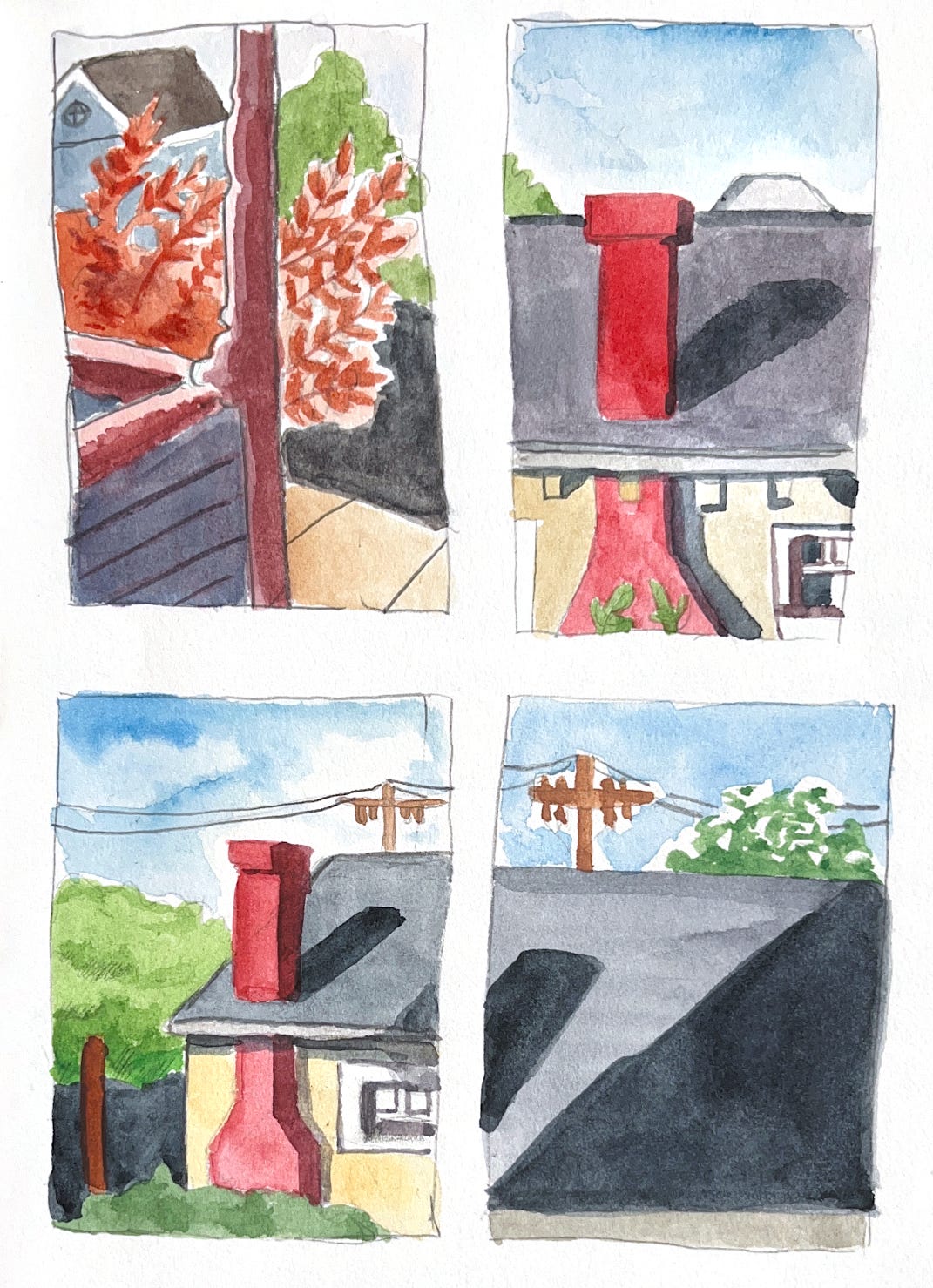
I noticed that my mood lifted.
I daydreamed more.
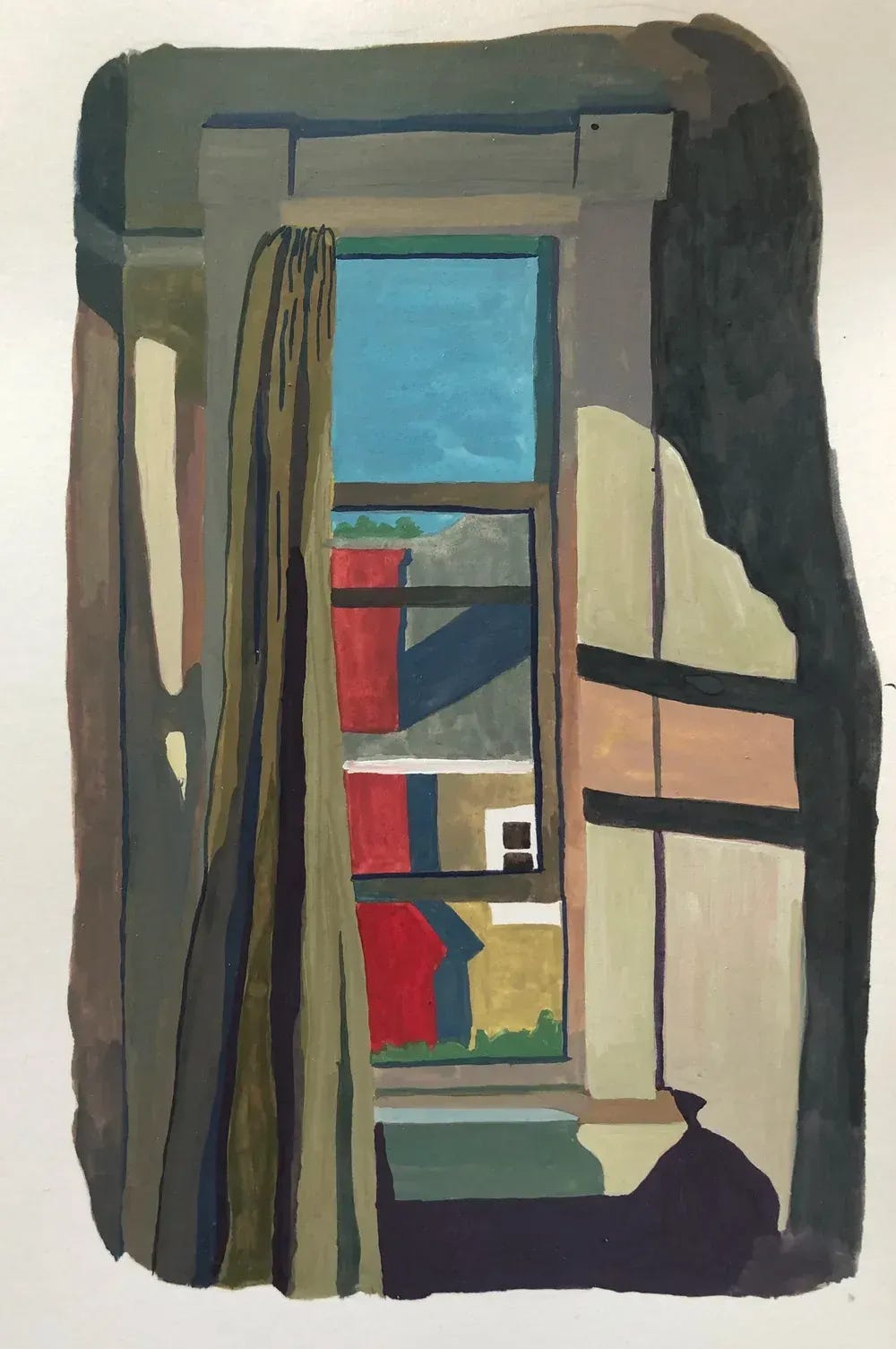
Suddenly I could be inside and outside at the same time; my mind became both an interior place and exterior place.
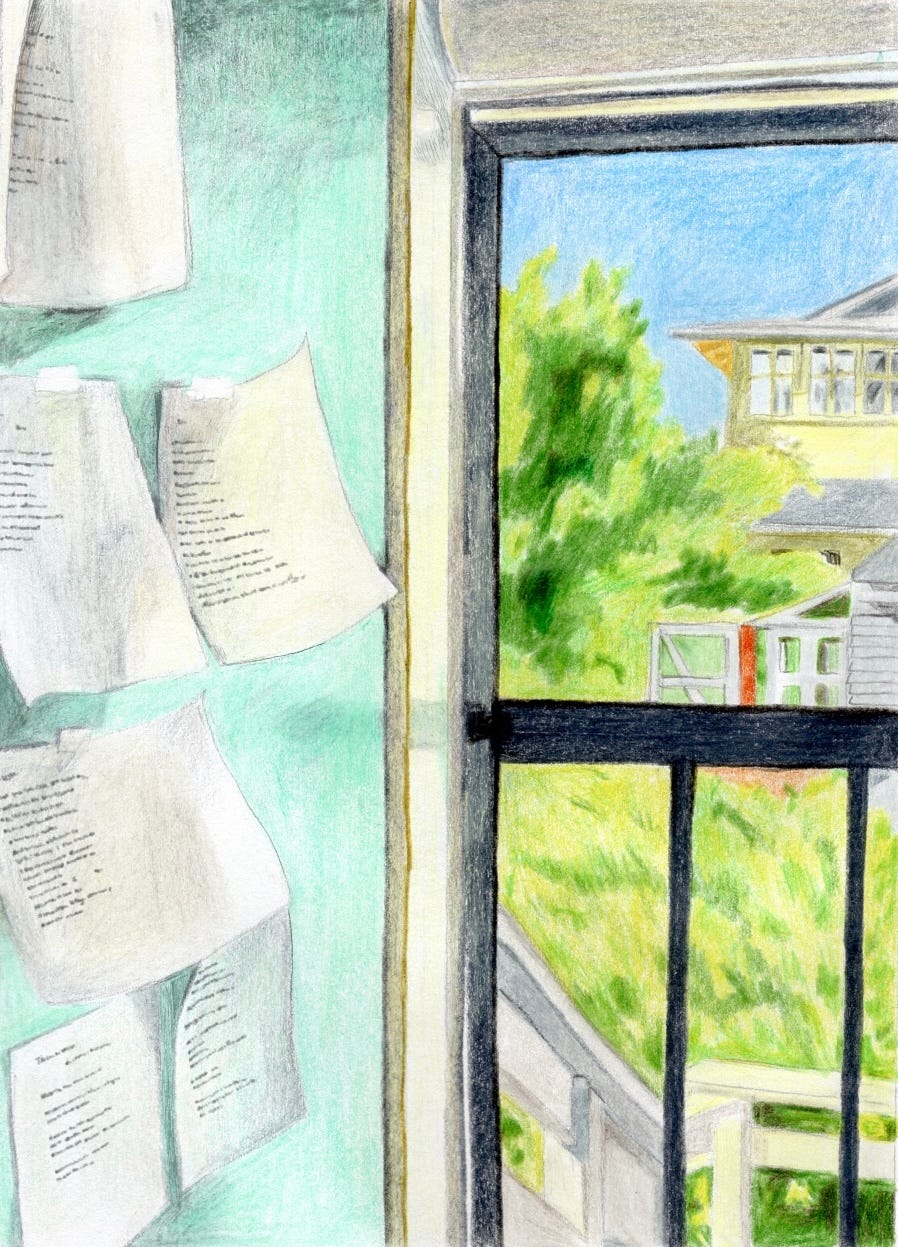
Because I found myself gazing out of my windows constantly, I began to draw and paint them. Kind of like odes.
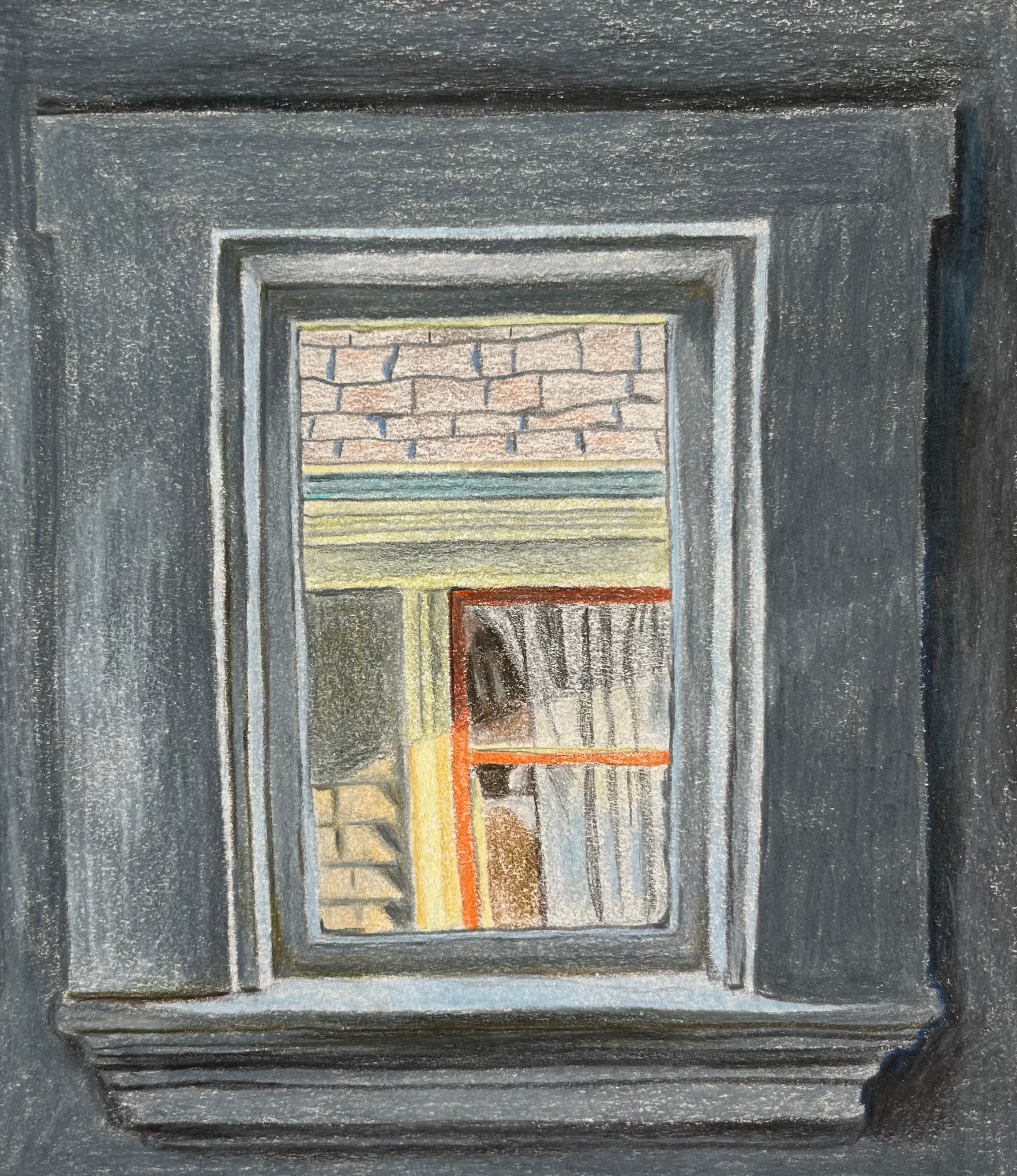
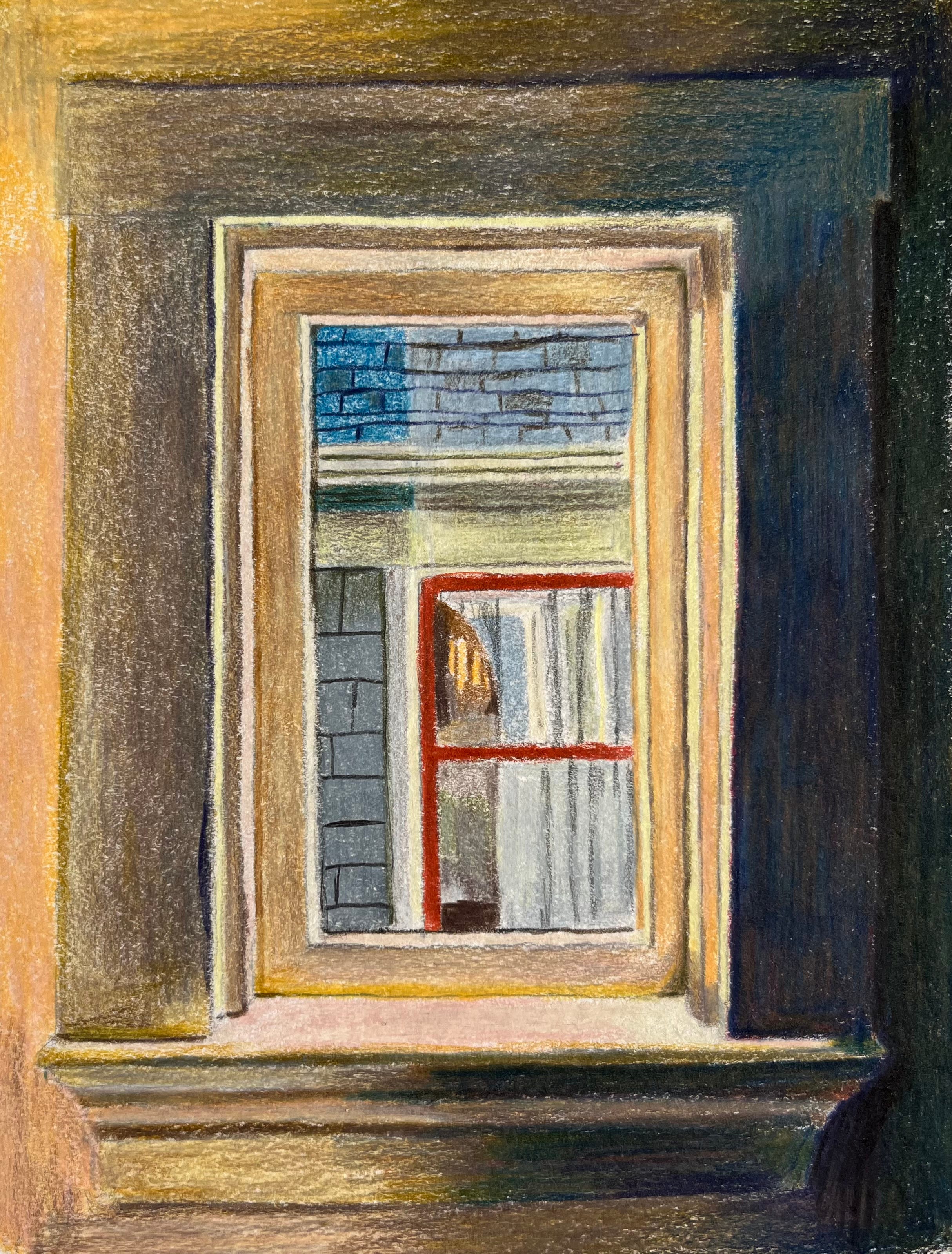
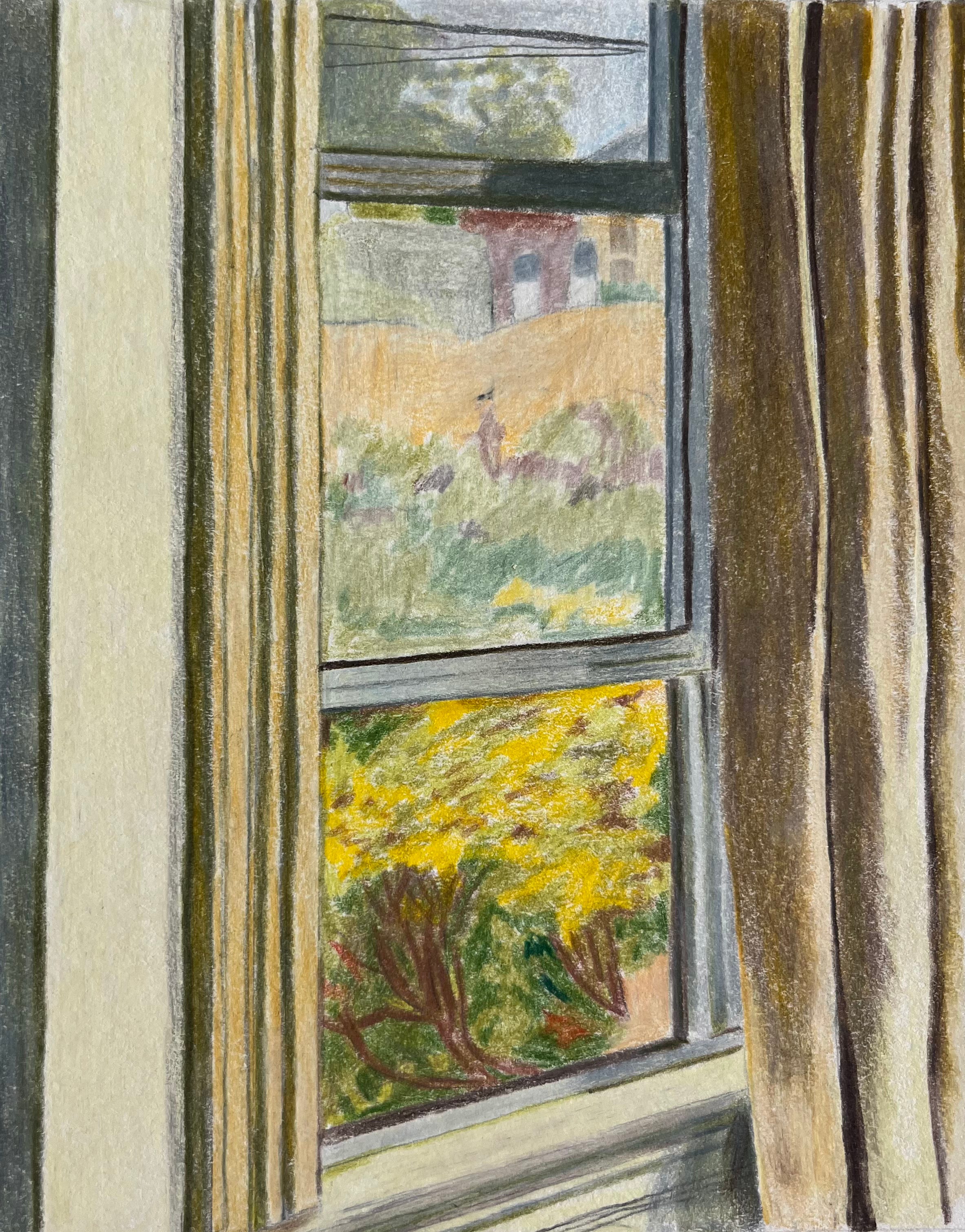
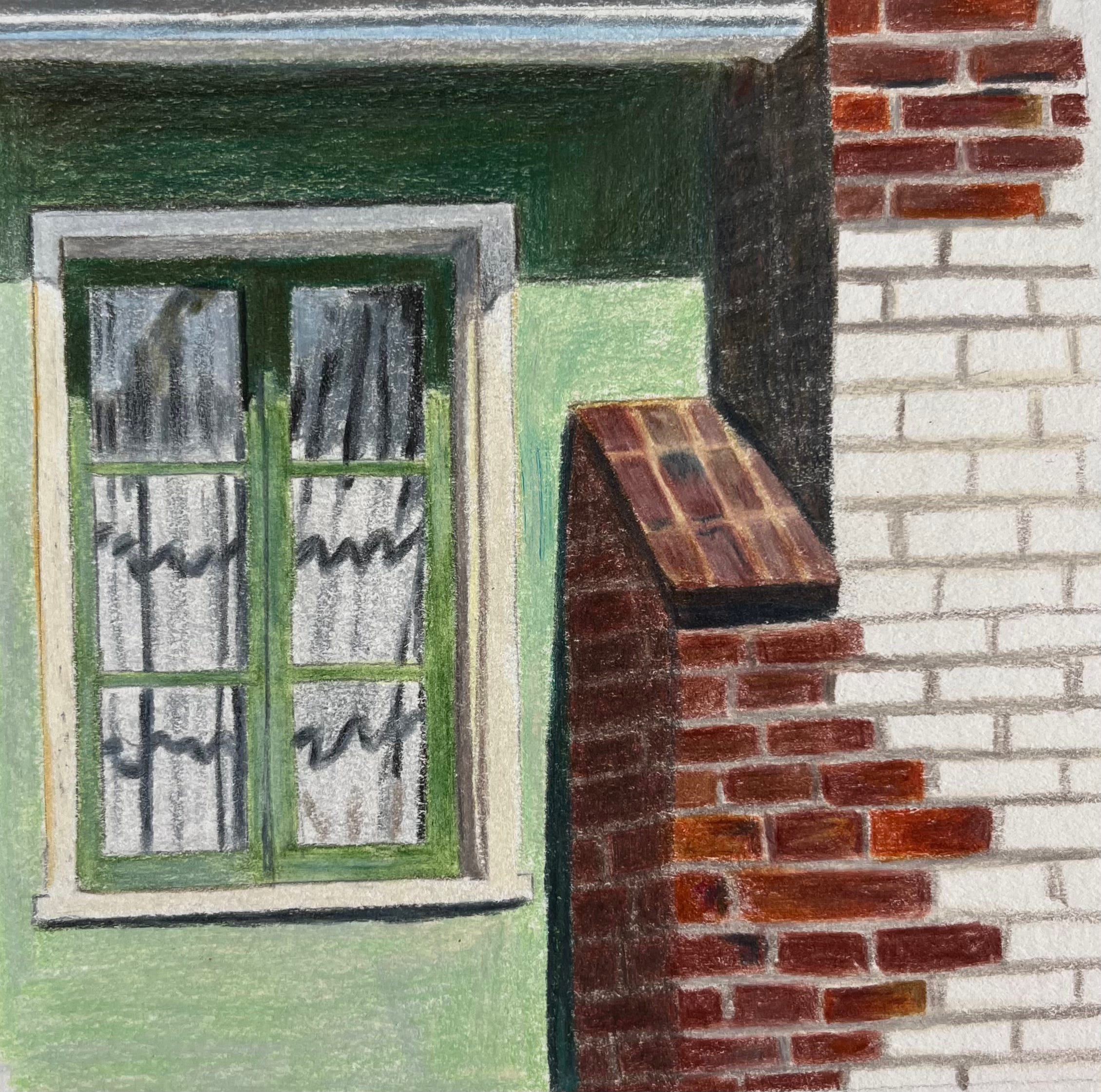
I am equally drawn to windows that are from the other perspective: outside looking in, even if all I was looking “in” at where curtains, and the small dark spaces where the curtains didn’t close.
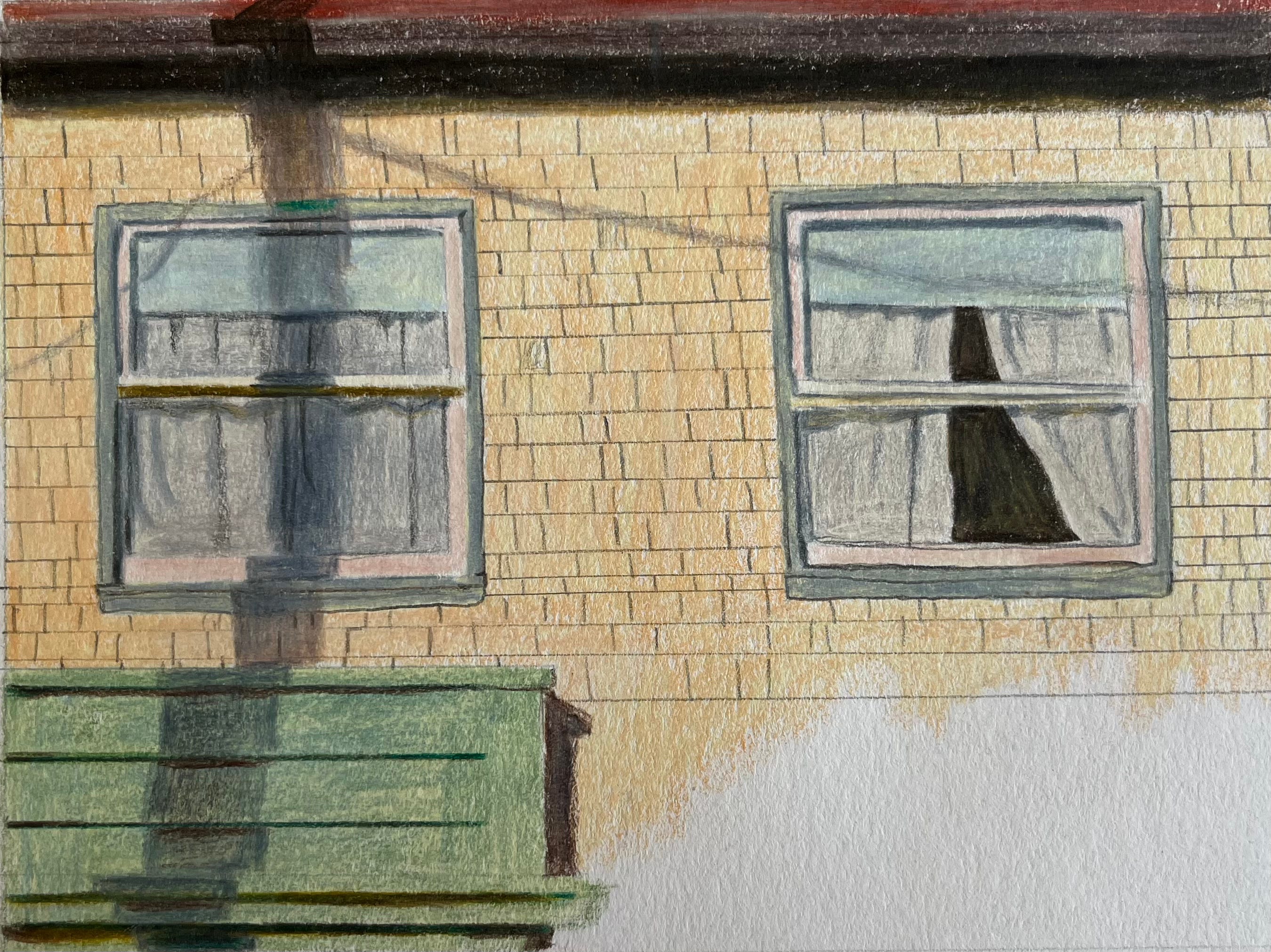
Though don’t all windows do this, complicate the relationship between what is outside and what is inside? When we look through a window are we looking out? Or looking in at something else? I like that there isn’t one right answer to this question.
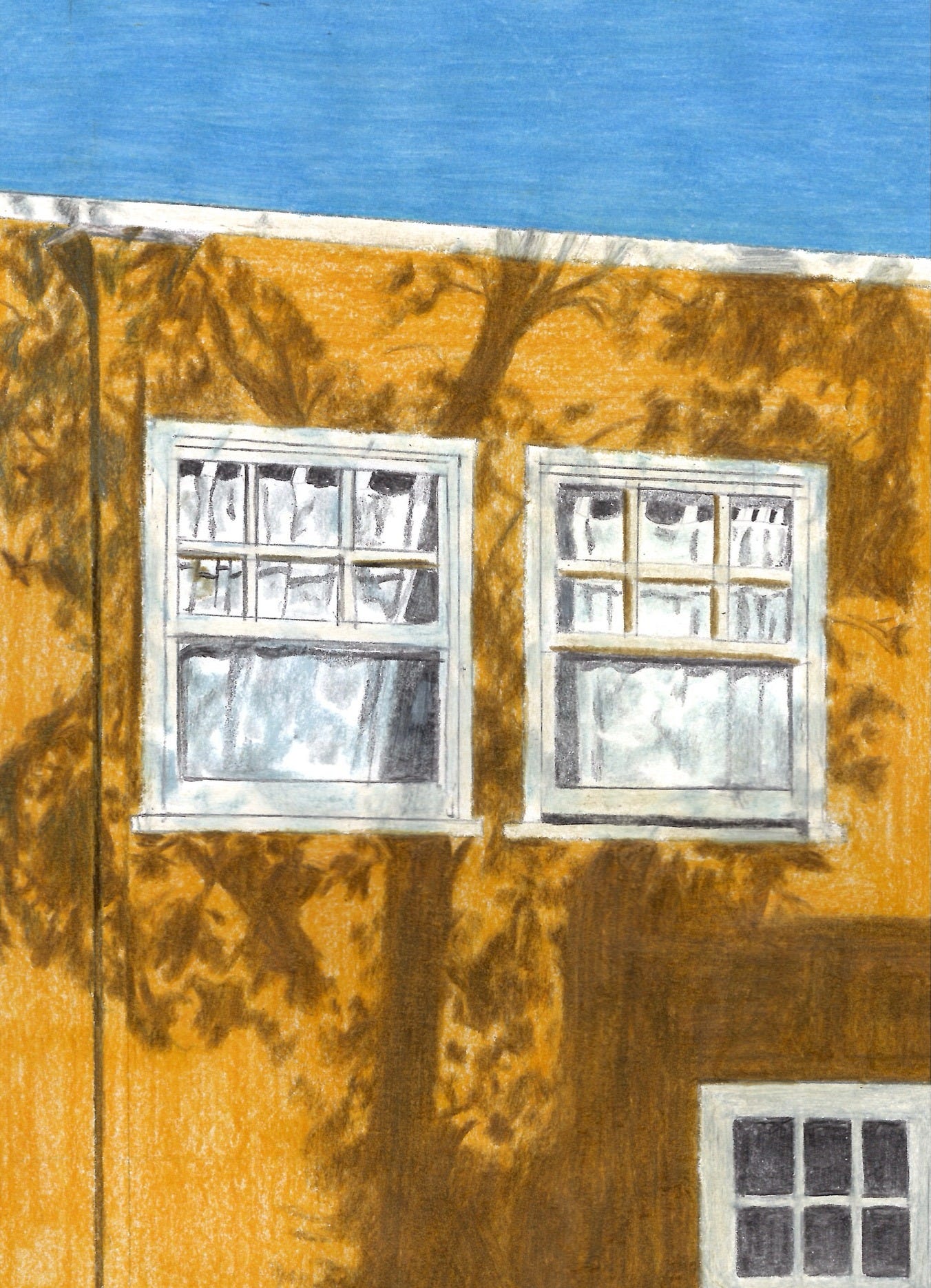
As I sat for long stretches looking at and drawing windows—a place of thresholds—I realized that the process encapsulated who I felt I was: insider and outsider, writer and drawer, neither one thing or the other.
Drawing or painting a window mimics looking out a window. For a couple hours, I don’t have to do anything else but move my pencil over the paper, move my eyes over the page. Looking out and looking in. I think this is an endangered way of spending time.
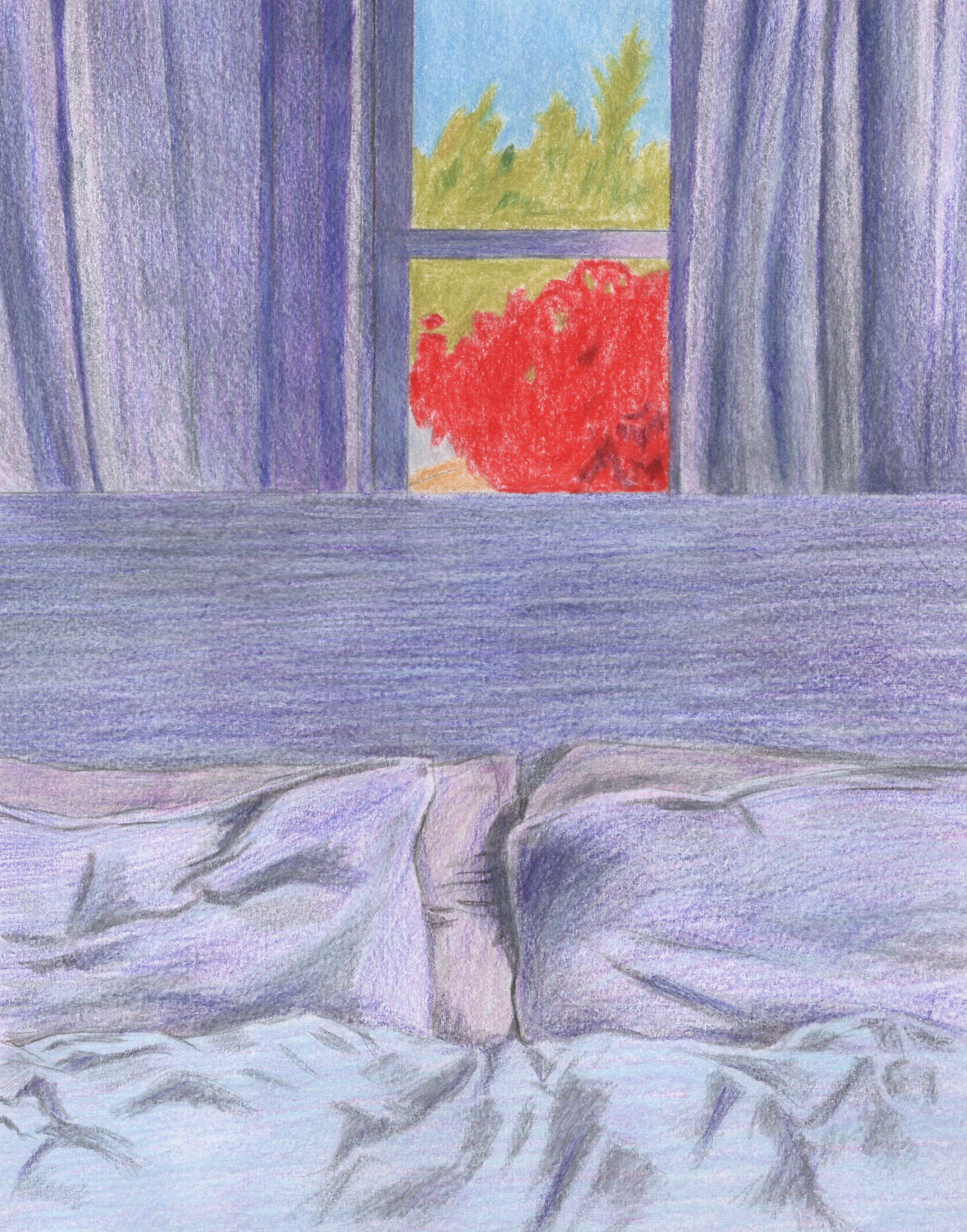
Sometimes I wonder: why do I like doing this so much? Why do I want to make a drawing of the window when the window is already right there on my wall, or when I already have a picture of the window on my phone?
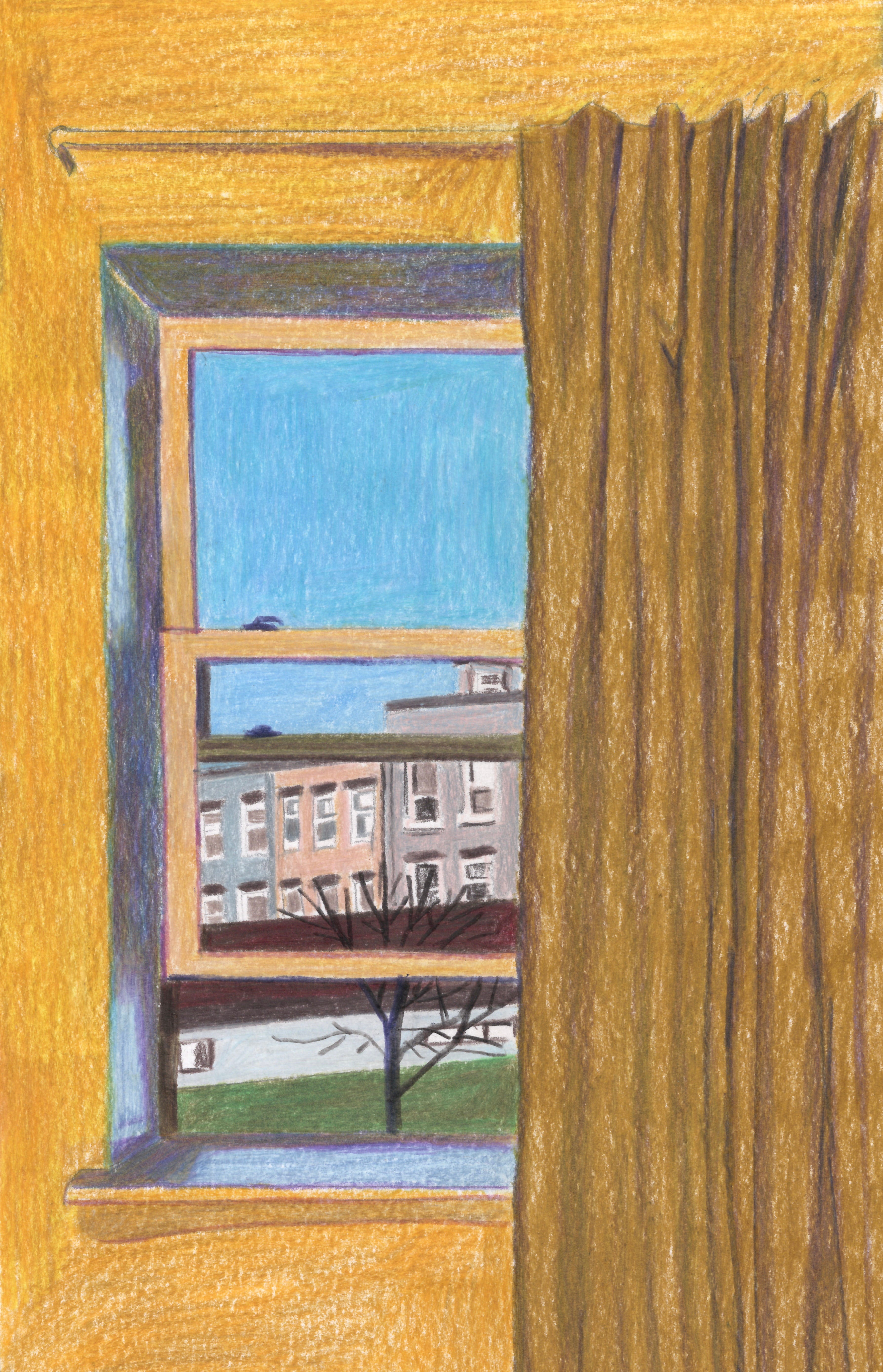
A couple years after I discovered my window obsession, I discovered the paintings of Lois Dodd and fell in love with her window paintings:
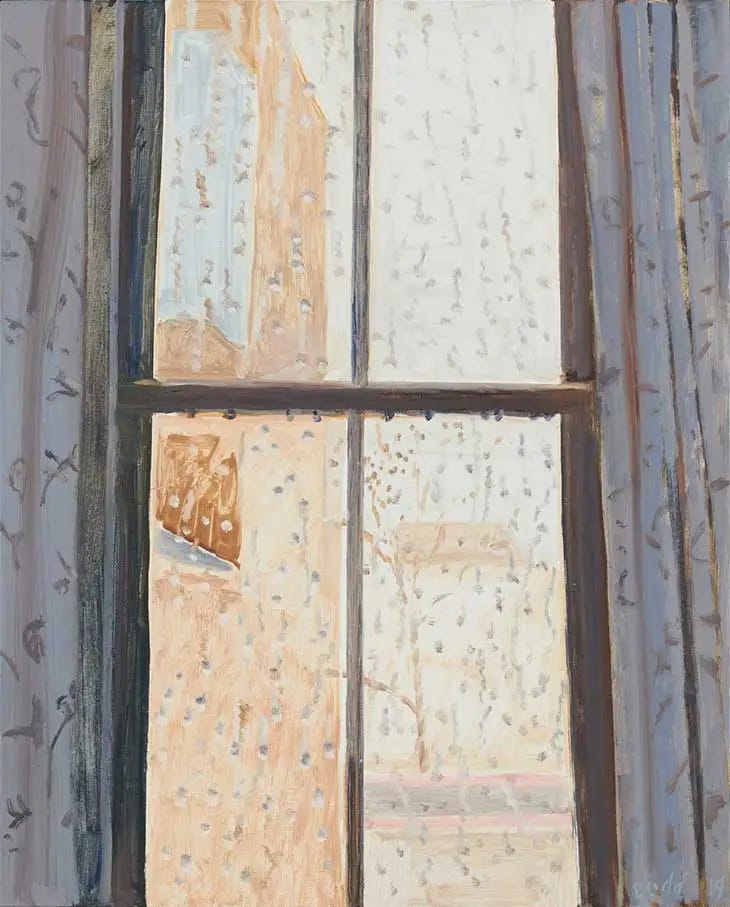
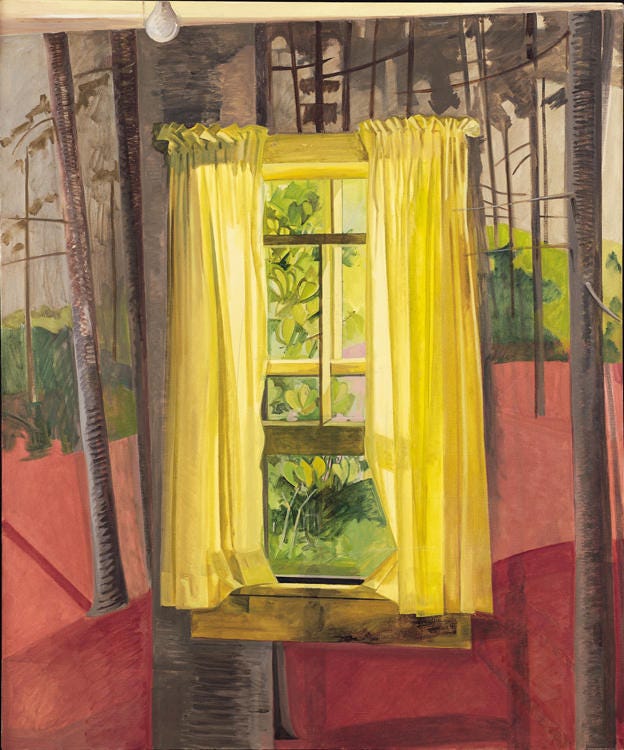
Once, in an interview, Lois Dodd said: “Anybody with a camera would just take a lot of photographs, but I could go and paint it.” When asked what the difference was, she laughed and said, “It takes me longer.”1
It takes me longer. I think about that quote a lot, and what it says about the value of time in an era when efficiency is king—that taking longer is the whole point, because that is what is required to really look and see and feel. (I also just really love how unbothered and unanxious Dodd is about the difference between painting and photography. She’s basically just like: shrug.) (It also makes me think, oh, the point isn’t even really the image: the point is PAINTING.)
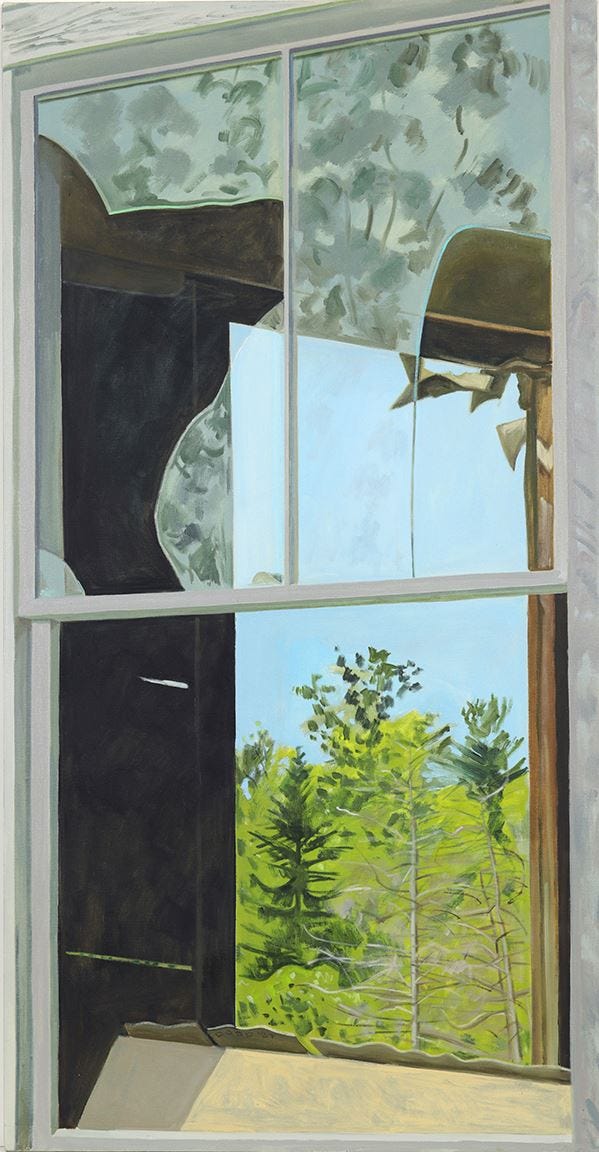
Dodd’s paintings elevate quietness, filler moments. That’s not necessarily why I admire them; I’m just trying to explain to myself how they function. I admire them because of the colors, and the shapes. (I like that her thresholds almost reverberate, like the neon tubes outside a diner.) They wake me up to my own filler moments. They remind me how good it feels to gaze out a window. Nothing happens in them except that time becomes bearable. I remember that a white wall is not really a white wall: it is purple when it meets the yellow curtain. Nothing, not even color, is static or permanent, and neither are you (or, like Rilke said, no feeling is final).
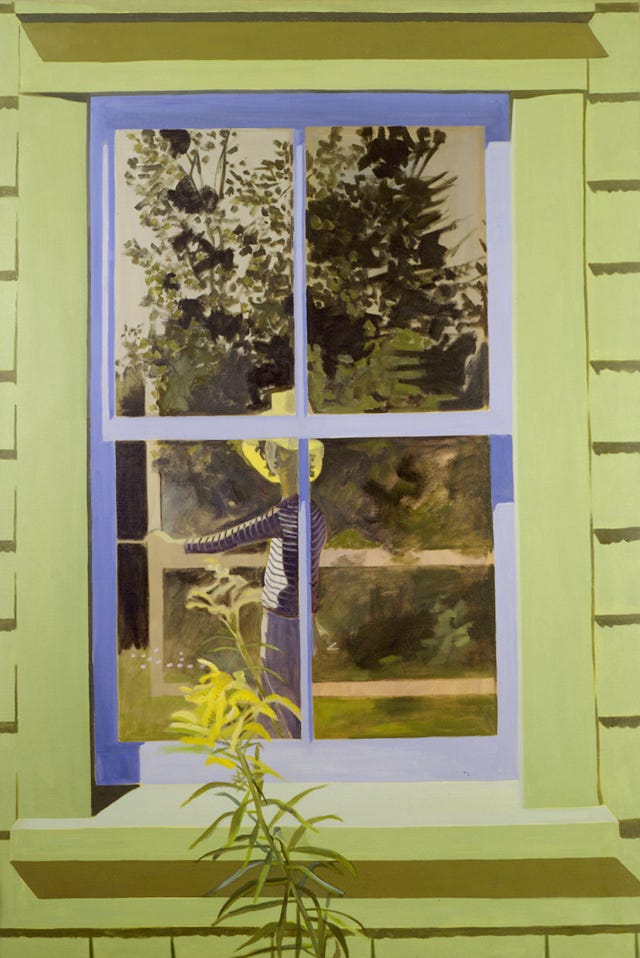
Dodd’s paintings may be quiet, but they are not humble—they are very confident. Part of their confidence has to do with how she decides what to emphasize and simplify. For the view out a window, her paintings are like taking a highlighter to a page and covering the best sentences in neon. They are not neurotic with detail. She knows exactly what to include, and how to simplify detail in a way that paradoxically complicates her subjects by showing us their significance. In this way, her paintings acknowledge that looking is not necessarily concerned with making sure one notices and absorbs every inch of detail on the surface, but in how looking feels, inside the body, inside the mind—that “looking” as an act is tactile, highly selective and highly strange. Her work makes me think that maybe clarity is possible.
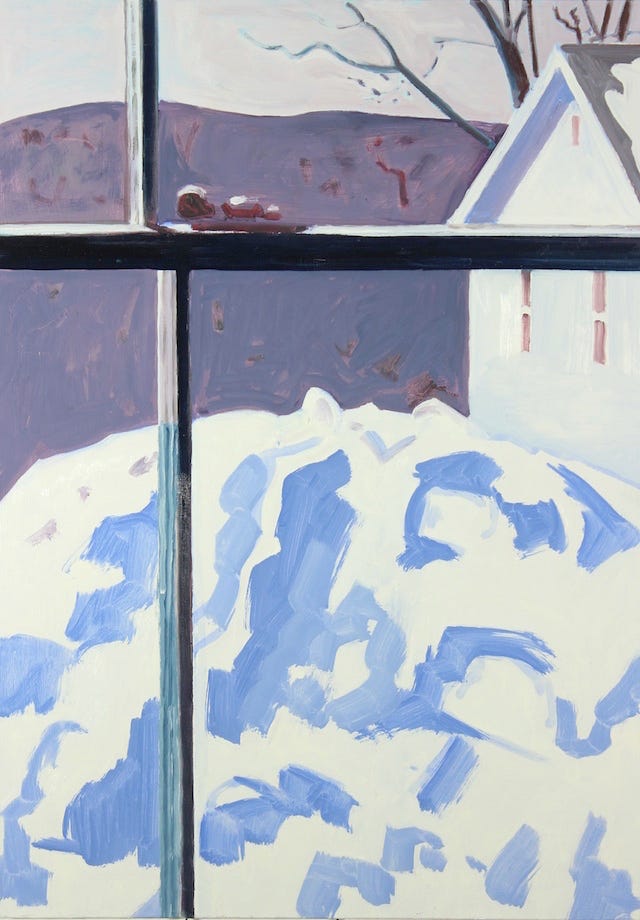
And their confidence is partly due to their indifference to whatever is popular or fashionable. They do not attempt to channel the zeitgeist. She doesn’t care about being groundbreaking or innovative or new—and this feels very radical to me. And actually, conversely, kind of groundbreaking.
When I draw windows, and when I look at Lois Dodd’s windows, I remember that I love language, but that I do not think language is the most important way of making meaning. As a writer, that makes me feel on the outside. But it makes me feel on the inside of something else—maybe (I can only hope) something like instinct, or intuition.
Other stuff (non-window related)
I recently had a visual essay about drawing, ice skating, and falling appear in Graywolf Lab’s Games issue, adapted from a longer project I’ve been working on about my teenage years as a competitive figure skater. This is my favorite drawing from the essay:
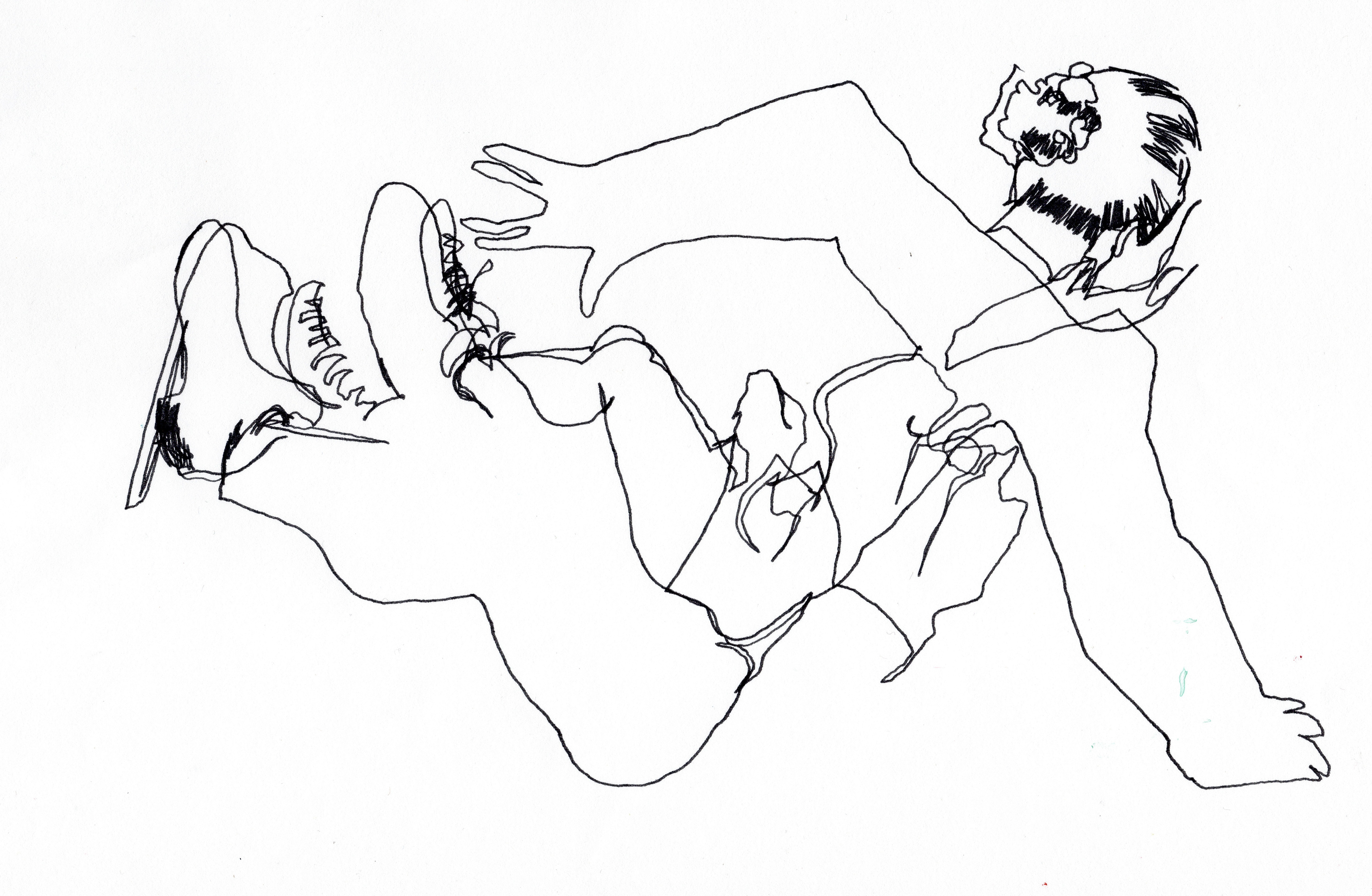
Also, my debut poetry collection, True Mistakes, is just over six months old! :’) I talked about the book in some interviews that come out last month in The Adroit Journal and The Common. You can order a copy of the book here, and if you’ve already read the book—thank you <3
I highly recommend this whole interview, which is full of gems (like John Yau telling Dodd that her paintings are like “a diary that doesn’t tell a story . . . a diary without the ‘I’.”)
the most beautiful meditation <3
Really beautiful. Thanks!